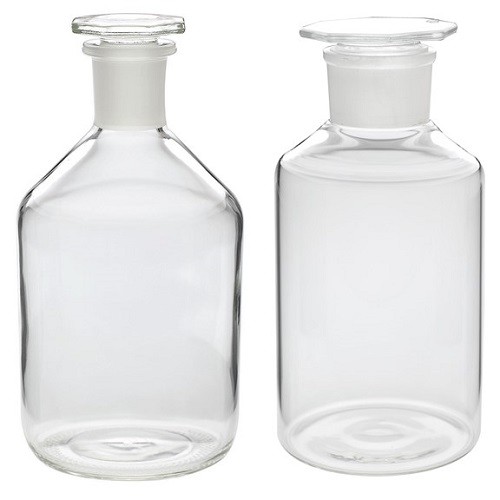
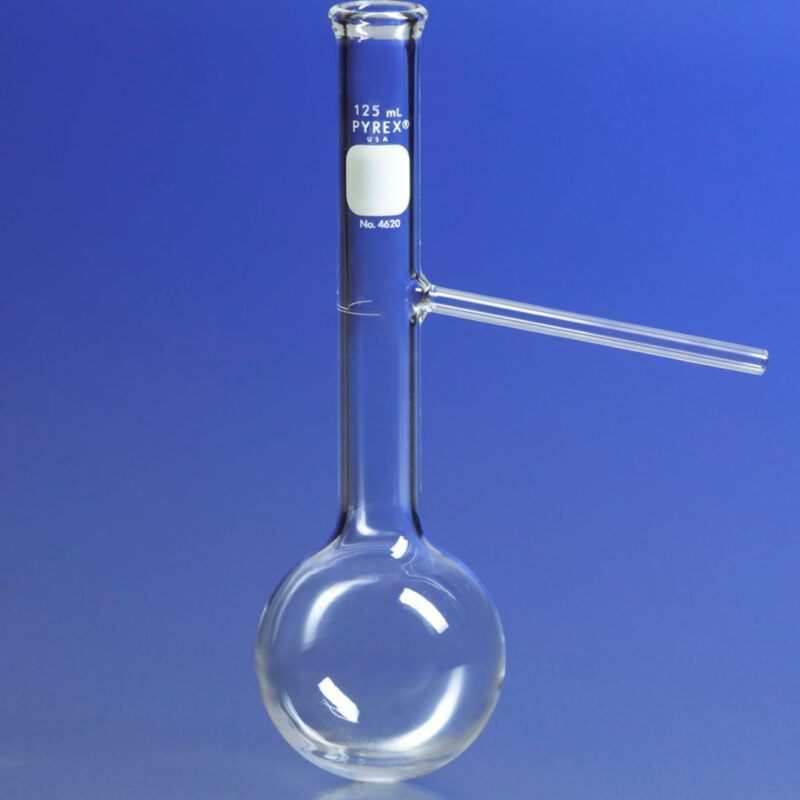
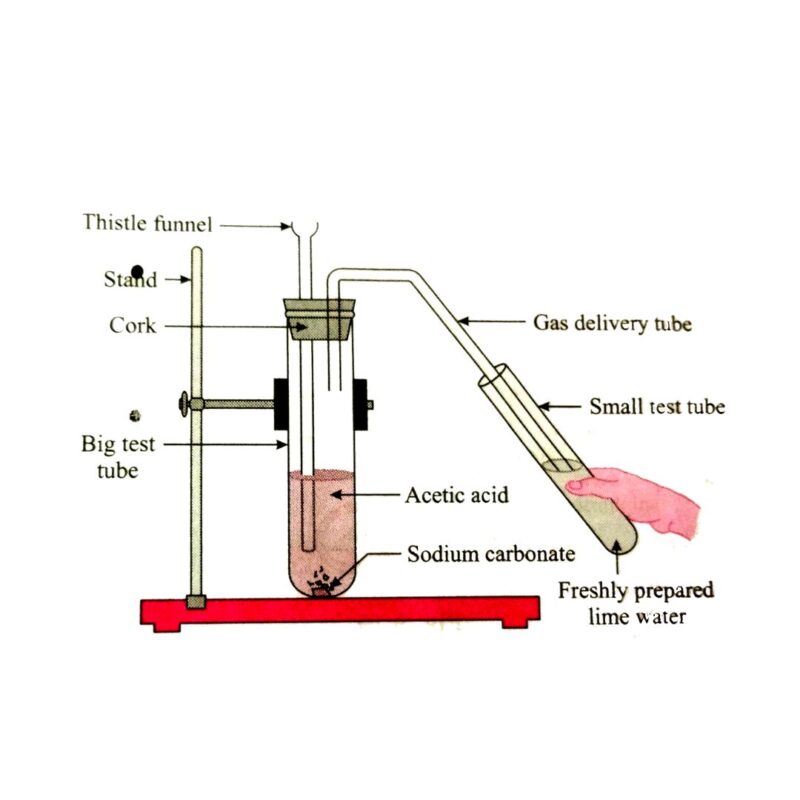
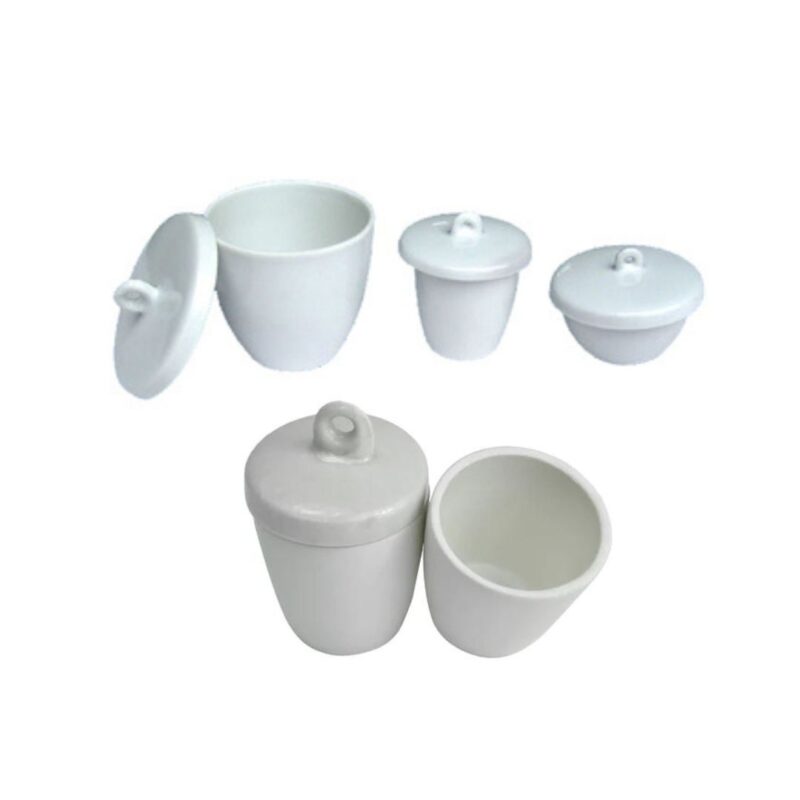
Reagent bottles are containers used in laboratories to store chemical reagents, such as acids, bases, solvents, and other chemicals. They are designed to protect the chemicals from air, moisture, and contamination, and to keep the chemicals safely contained. Reagent bottles are typically made of glass, although plastic reagent bottles are also available.
The most common types of reagent bottles include:
Narrow-mouth bottles: These bottles have a small opening, which helps to reduce the risk of spills and evaporation.
Wide-mouth bottles: These bottles have a wider opening, which makes it easier to pour or transfer the reagent.
Amber bottles: These bottles are made of amber glass, which helps to protect light-sensitive reagents from degradation.
Plastic bottles: These bottles are made of plastic, which is lightweight and shatterproof, making them a safer alternative to glass bottles.
Reagent bottles can also have various types of closures, including screw caps, snap caps, and stoppers. Some bottles may also have graduation marks, which allow for more accurate measurements of the reagents.
In addition to storing reagents, reagent bottles may also be used for mixing, dispensing, and transporting chemicals. They are an essential component of any laboratory and are used in a wide range of scientific fields, including chemistry, biology, and environmental science.