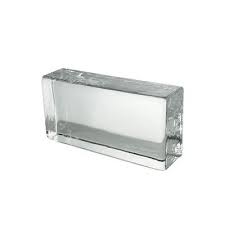
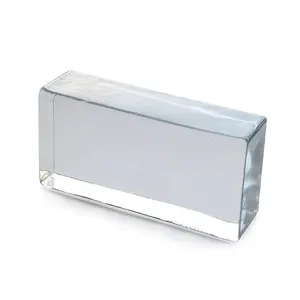
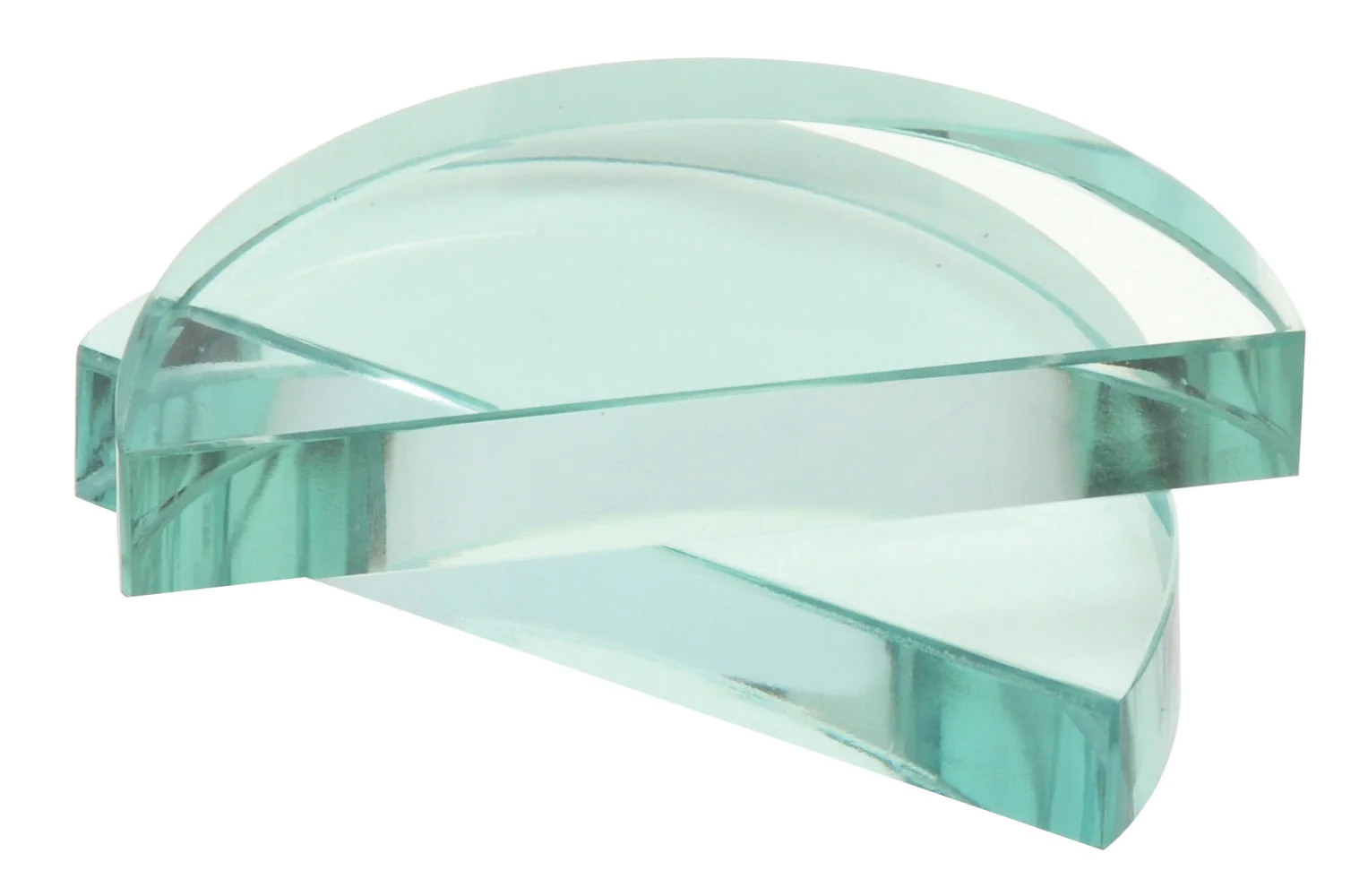
Rectangular and semicircular glass blocks are two types of glass blocks commonly used in science experiments to demonstrate the principles of optics.
A rectangular glass block is a rectangular-shaped block of glass that is used to demonstrate the refraction and dispersion of light. When light passes through a rectangular glass block, it changes direction, or refracts, due to the change in the speed of light as it enters the glass. This causes the light to bend at an angle, which can be measured and used to calculate the refractive index of the glass block.
A semicircular glass block, on the other hand, is a glass block shaped like a half-circle. Like rectangular glass blocks, semicircular glass blocks are also used to demonstrate the principles of refraction and dispersion of light. When light passes through a semicircular glass block, it bends at an angle due to the change in the speed of light as it enters the glass, just like in a rectangular glass block. However, the shape of the block allows for more interesting and varied experiments and demonstrations, as the light can be made to follow a curved path.
Both rectangular and semicircular glass blocks are important tools in the study of optics, and are often used in conjunction with other optical components to create complex systems for use in a wide range of scientific applications.