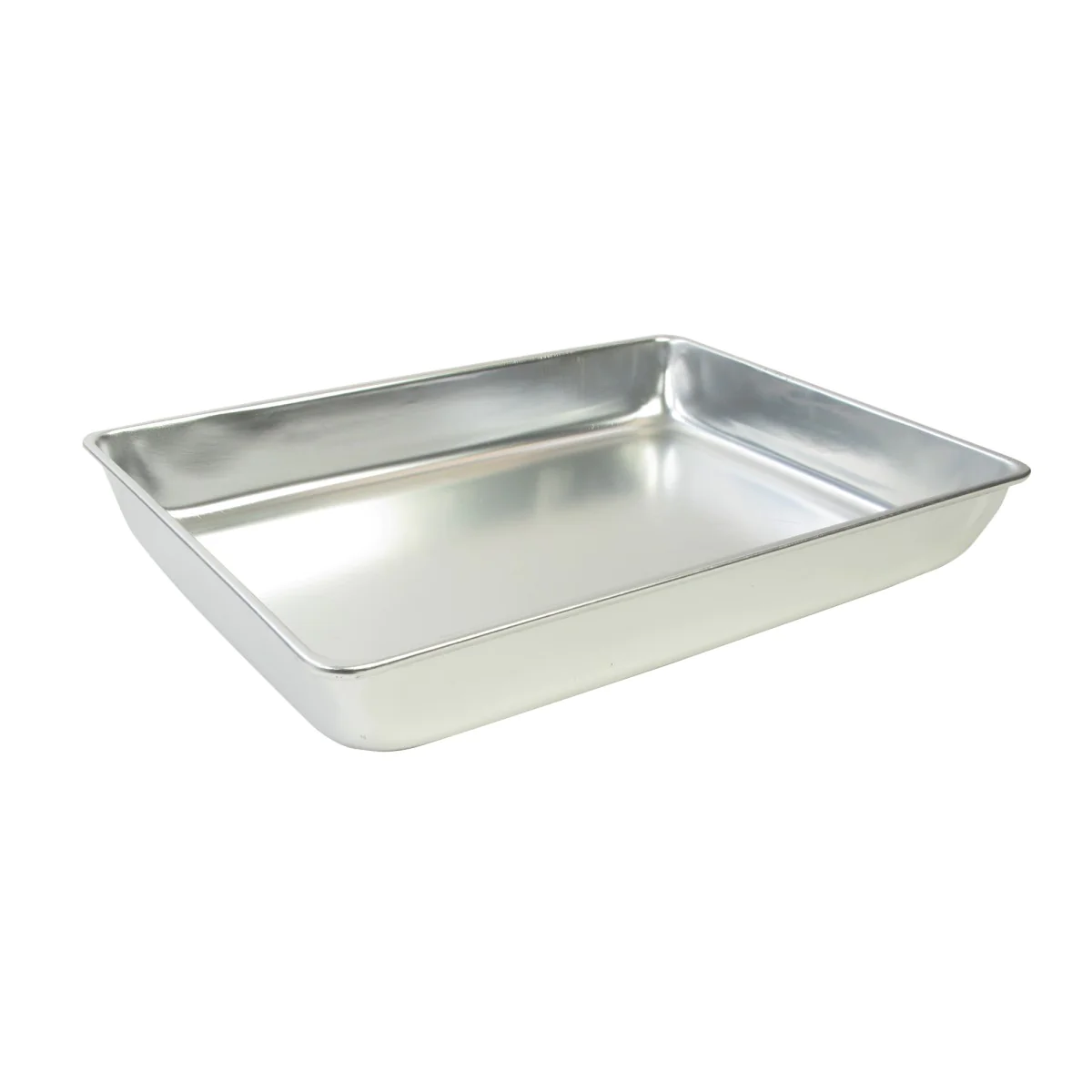
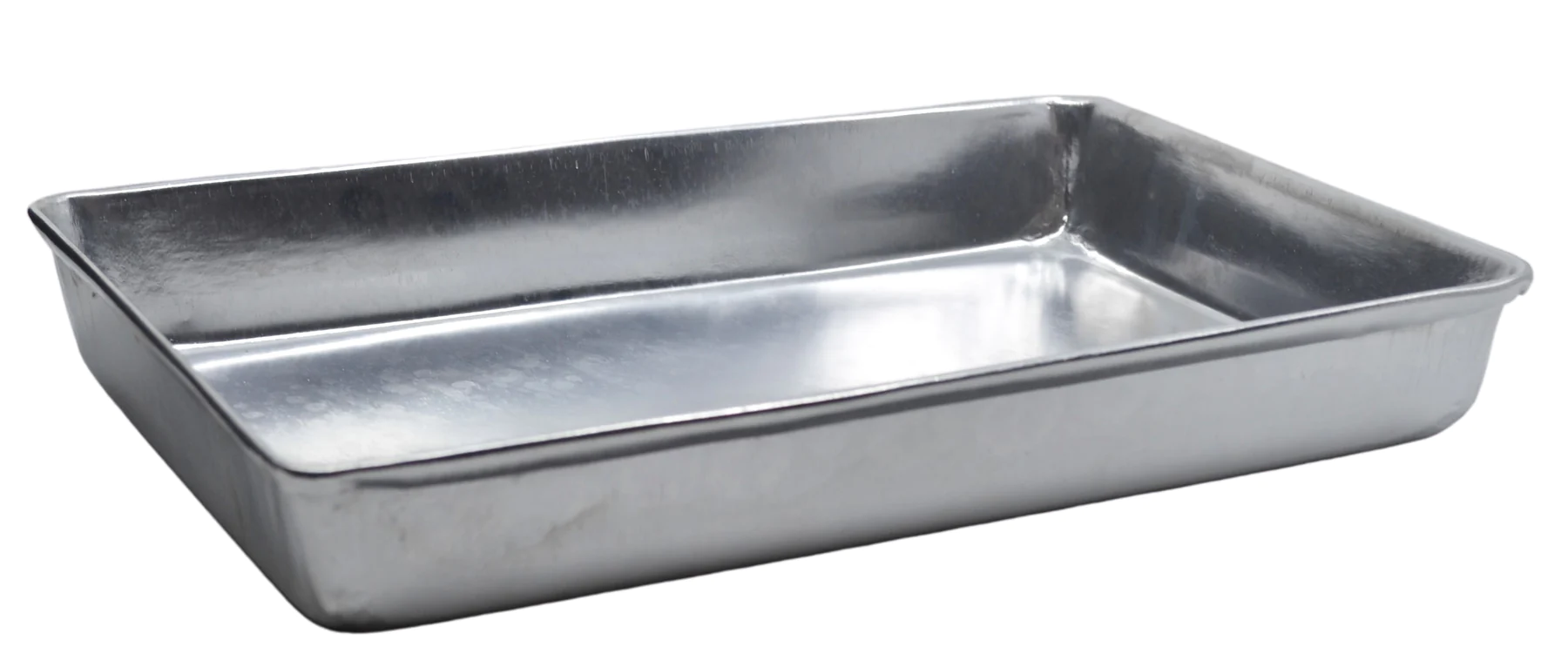
A dissecting tray without wax is a laboratory tool used in dissection and other biological studies. It is typically a rectangular or square-shaped container made of a durable, non-reactive material such as plastic or metal, with a removable lid or cover. Unlike a dissecting tray with wax, it does not have a wax layer on the bottom, but instead provides a flat and smooth surface for dissection.
Dissecting trays without wax are commonly used in biology, anatomy, and veterinary studies, as well as in medical and veterinary training programs. They are also used in forensic science to examine and analyze tissue samples and other specimens.
The lack of a wax layer on the tray allows for greater flexibility in positioning and manipulating specimens during dissection. It also makes it easier to clean and reuse the tray after each dissection.
Overall, a dissecting tray without wax is an essential tool for any laboratory or educational setting where dissection or anatomical studies are performed. It provides a safe, convenient, and effective way to conduct dissections and other biological studies, while ensuring accurate and reliable results.