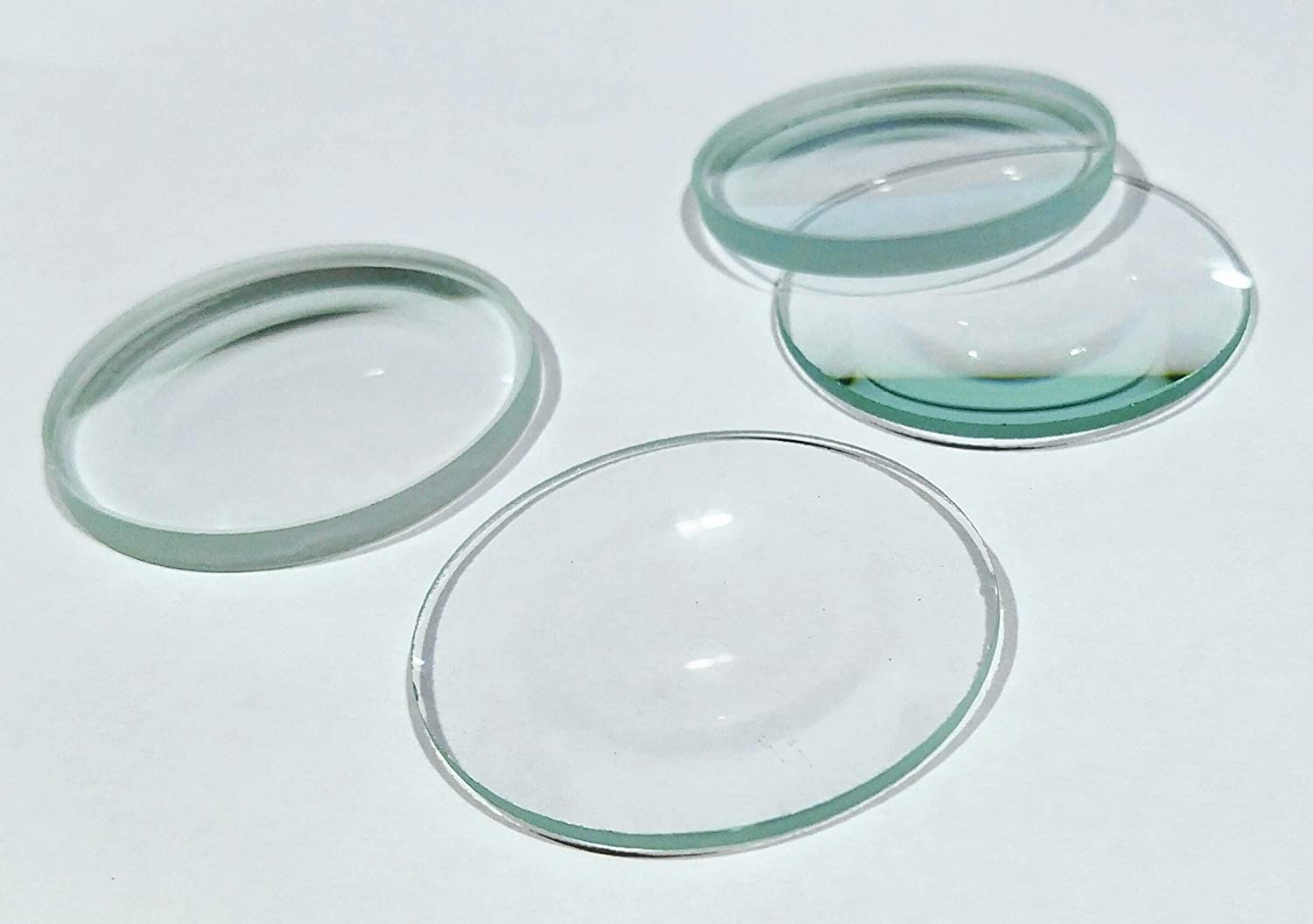
A concave lens, also known as a diverging lens, is a lens that is thinner at the center than at the edges. It is curved inward, like a bowl, and causes light rays to spread out or diverge when passing through it.
Concave lenses are used in a variety of applications, such as correcting nearsightedness and farsightedness in eyeglasses, and in optical instruments such as telescopes and microscopes. They can also be used to create a virtual image of an object, and are often used in combination with convex lenses to produce a magnified image of an object.
When a parallel beam of light passes through a concave lens, the rays are refracted, or bent, away from the center of the lens. This causes the light to spread out, resulting in a smaller, virtual image of the object being viewed. The strength of a concave lens is measured in diopters, with higher values indicating a stronger lens.
In addition to their optical applications, concave lenses are also used in physics experiments to demonstrate the properties of light and optics, and in chemistry experiments to focus light on a sample being analyzed.